


میقات
میقات سے عمرے کا احرام باندھ کر نیت کرنا۔

21 chapters, from ihram to the farewell — written as an essay in our own words, not reproduced from any one book.
یہ اسلام کا پانچواں اور آخری رکن ہے: ہر صاحبِ استطاعت مسلمان مرد و عورت پر زندگی میں ایک بار بیت اللہ کا حج فرض ہے۔
یہ متن کسی ایک کتاب کا نقل نہیں بلکہ خلاصہ و تلخیص ہے، اپنے الفاظ میں؛ قرآن و حدیث کے حوالے اصل متن کے ساتھ دیے گئے ہیں، اور ہر باب کے شروع میں وہ کتابیں بتا دی گئی ہیں جن سے اس کا مواد ماخوذ ہے۔
Hajj & Umrah Naqsha — the journey at a glance
عمرہ اور حج کے تمام مراحل ترتیب سے — ہر مرحلے پر درج باب میں تفصیل اور احکام ملاحظہ فرمائیں۔
میقات سے عمرے کا احرام باندھ کر نیت کرنا۔
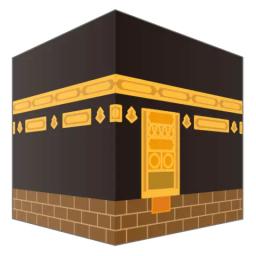
خانہ کعبہ کا طواف کرنا۔
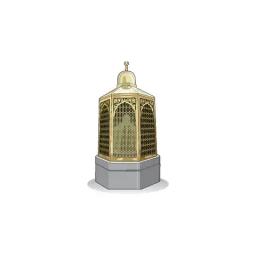
مقامِ ابراہیم کے قریب دو رکعت نماز پڑھنا۔
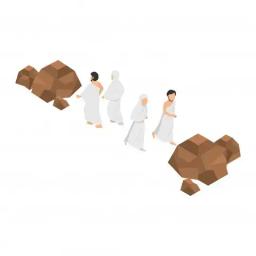
صفا اور مروہ کے درمیان سعی کرنا۔

حلق یا قصر کروا کے عمرہ مکمل کرنا۔
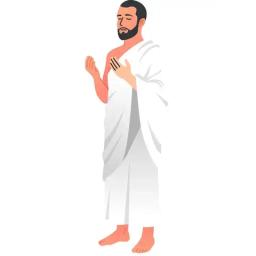
احرام باندھ کر حج کی نیت کرنا، منیٰ کی طرف روانہ ہونا۔
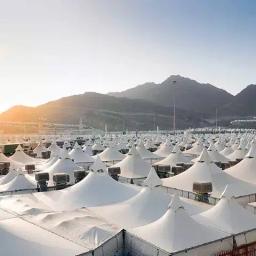
دن اور رات منیٰ میں قیام کرنا۔
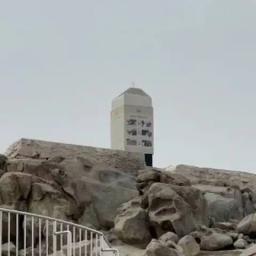
ظہر سے غروبِ آفتاب تک میدانِ عرفات میں وقوف کرنا۔
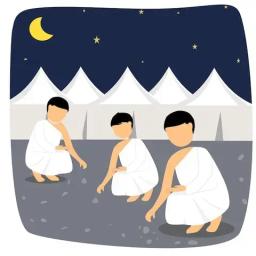
مغرب و عشاء جمع کر کے مزدلفہ میں رات گزارنا، کنکریاں چننا۔

صرف بڑے جمرے کو سات کنکریاں مارنا۔
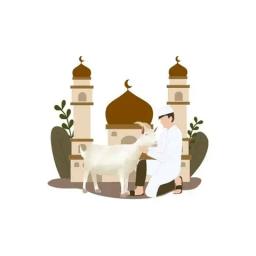
قربانی کرنا — تمتع اور قِران کے لیے واجب۔
حلق یا قصر کر کے احرام کی اکثر پابندیاں ختم کرنا۔
حرم واپس آ کر طوافِ زیارت کرنا — حج کا تیسرا رکن۔
پہلے نہ کی ہو تو حج کی سعی کرنا۔
گیارہ اور بارہ ذوالحجہ کی راتیں منیٰ میں گزارنا۔

زوال کے بعد تینوں جمرات کو ترتیب سے سات سات کنکریاں مارنا۔
مکہ سے روانگی سے پہلے طوافِ وداع کرنا۔
Hajj's own virtue, and its ruling, which is not disputed at all — then Umrah's standing in the hadith, and the fiqh difference on whether it is obligatory or a confirmed sunnah, and why it is not a substitute for Hajj.
Gratitude, sincerity, halal earnings, and good company before setting out — before any ritual begins, and the same for either journey.
Travelling with remembrance, the rule for a woman travelling, where a traveller from South Asia must tie ihram, and the practical question of doing it mid-flight.
What to wear, how to tie it, its deeper meaning, what it forbids, what a surprising number of people get wrong about it — and the one thing that actually differs between the two, the niyyah.
The history behind the valley, the etiquette of the first sight of the Ka'bah, the virtue of the Haram, and a few things worth knowing before settling in to pray there.
Only three things are fard in the whole of Hajj; only two in Umrah. Everything else, however important, is wajib or sunnah.
The virtue of tawaf, how it is performed step by step, what is wajib and sunnah in it, and a handful of masail people rarely get told.
The different duas circulated for each round aren't established from hadith, and reciting them isn't required — but for whoever wants to, here is the set that is commonly printed.
The history behind sa'i, its rulings, the method step by step, and the mistakes people commonly make in it.
The one act left after sa'i, the difference between the rule for men and for women, and what makes halal happens faster after Umrah than after Hajj.
The virtue of Madinah, Masjid Nabawi and Riyad al-Jannah, the etiquette of standing before the Rawdah, and the mistakes to avoid there.
A short list of the historic mosques, graveyards and wells worth visiting in both cities, with what each is known for.
Ifrad, Qiran and Tamattu' — what each means, who may do which, and why most pilgrims today do Tamattu'.
A night at Mina, then the single greatest pillar of Hajj — standing at Arafat from midday until sunset.
Combining Maghrib and Isha, a night many scholars rate above Lailat al-Qadr for the pilgrim, and collecting the pebbles.
Four acts converge on this single day — which is why Eid prayer is waived for every pilgrim.
Three jamarat instead of one, each day, until it is time to leave Mina for good.
The last wajib act of Hajj — wajib on every outsider, and waived for a woman still in her courses.
Who is a mahram, what scholars differ on when none is available, ihram during hayd — all of it shared between Hajj and Umrah — and the few rulings (tawaf-e-wada, rami) that are Hajj's alone.
When someone cannot perform Hajj themselves — through death, lasting incapacity, or no safe way to go — another person may stand in for them. The conditions are precise, and most of them exist to protect the person being represented.
Most of these are mistakes anyone can make, in either — a handful are Hajj's alone, from a misread tartib that makes a dam wajib, to jostling for something that was never even obligatory.